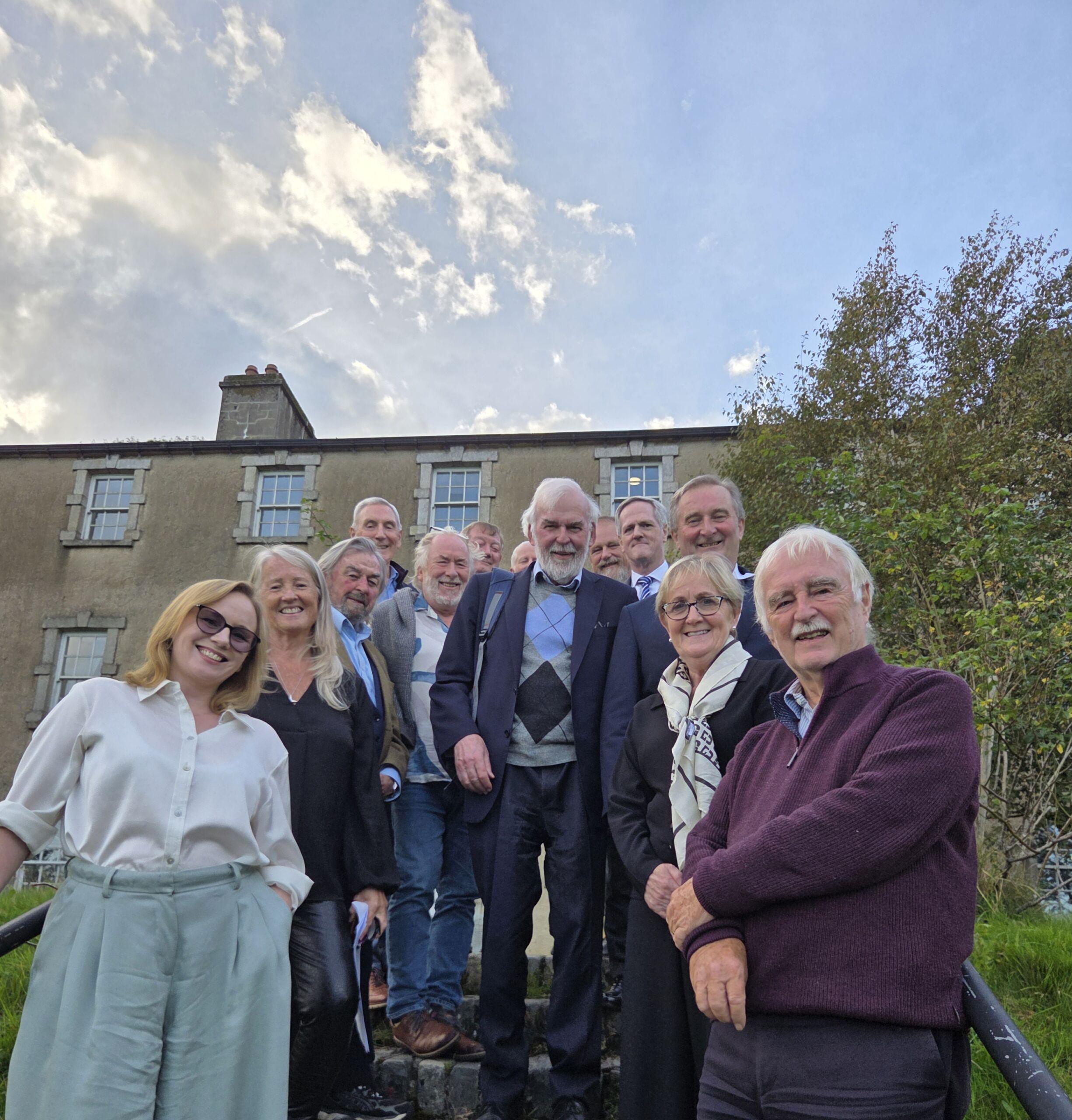
The Glencree Centre for Peace and Reconciliation was delighted to welcome members of the German and Irish communities, diplomatic representatives, faith leaders, members of the Defence Forces and friends and supporters of Glencree on Sunday, 15 November, for its annual German Remembrance Day (Volkstrauertag) commemoration.
The event was a moving and uplifting occasion, bringing people together in a spirit of friendship, remembrance and shared commitment to peace. Set against the beautiful surroundings of the Wicklow Mountains, the gathering provided an opportunity to reflect on the lessons of history, honour those who lost their lives through war and conflict, and celebrate the enduring friendship between Ireland and Germany.
The day began with a facilitated political dialogue, led by Pat Hynes, entitled “A World in Turmoil: Lessons from European Cooperation.” The discussion provided an opportunity to reflect on the importance of dialogue, international cooperation and reconciliation at a time of growing global uncertainty.
This was followed by a Lutheran and Roman Catholic Ecumenical Remembrance Service in St Kevin’s Church at Glencree, bringing together participants in a shared moment of reflection and remembrance.
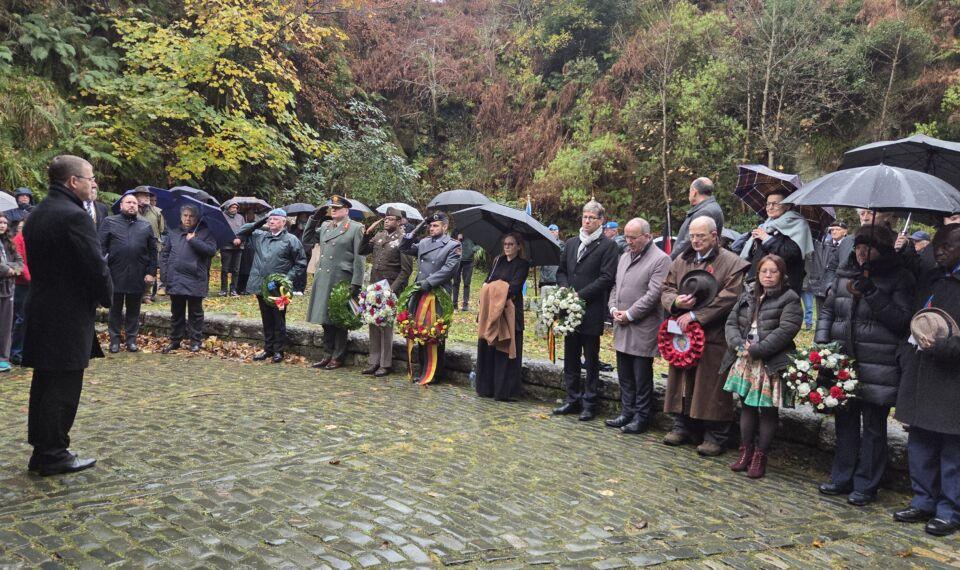
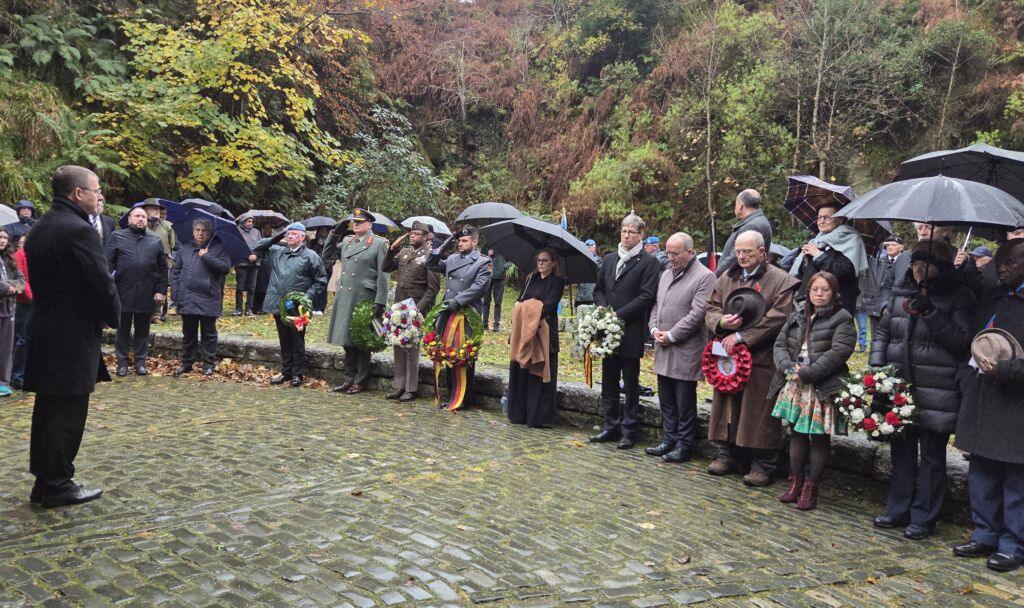
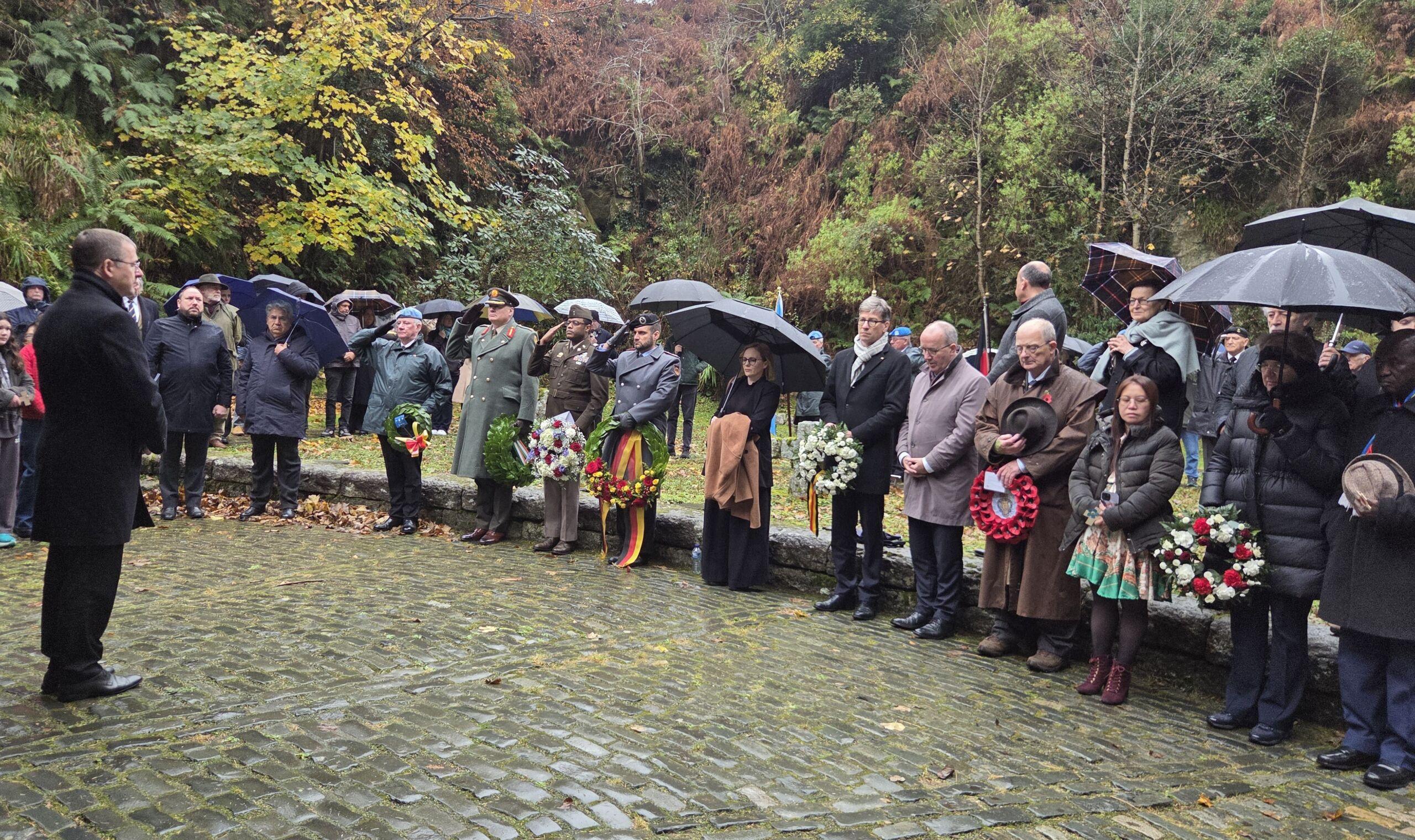
One of the most poignant moments of the day was the procession from the church to the German War Cemetery, led by a piper and drummer. At the cemetery, the commemoration included musical contributions from the Goethe Choir, the traditional sounding of The Last Post and Reveille, a minute’s silence and the laying of wreaths in memory of those who lost their lives.
His Excellency David Gill, German Ambassador to Ireland, addressed those gathered at the cemetery and participated in the wreath-laying ceremony.
Speaking on the occasion, Dr Aisling Hearns, CEO of the Glencree Centre for Peace and Reconciliation, said:
“We must be mindful of the language we use in public life, of the divisions we reinforce and of the assumptions we make about those whose experiences and identities differ from our own. Peace is not secured once an agreement is signed. It must be continually nurtured, defended and renewed.
And this is where the work of Glencree matters.
We know that dialogue is neither easy nor comfortable. It asks something of all of us. It requires patience, openness and a willingness to listen, even when we disagree. It means creating spaces where people can speak honestly about their fears, their losses, their hopes and their aspirations, without being defined solely by their history or by the identity of the community to which they belong.”
David Gill, German Ambassador to Ireland, said:
“It is a very special privilege to be here at Glencree on Remembrance Sunday, surrounded by friends and communities from Ireland, Germany and around the world. Today is a moving reminder of our shared history, the importance of remembering those who have gone before us, and the responsibility we all share to build a more peaceful future.
My sincere thanks to the Glencree Centre for Peace and Reconciliation for bringing us together, and to everyone who joined us today in a shared spirit of remembrance, friendship and hope for the future.”
The commemoration concluded with a warm and informal reception at Glencree’s Armoury Café, where guests had an opportunity to reconnect, share conversations and reflect on the day’s events.
A Shared Commitment to Peace
German Remembrance Day holds a special place in Glencree’s calendar. Rooted in remembrance and reconciliation, it is also an opportunity to celebrate the friendships that have developed between Ireland and Germany and the shared European commitment to peace, democracy and mutual understanding.
Glencree extends its heartfelt thanks to the German Embassy in Ireland, the participating faith communities, the Goethe Choir, musicians, members of the Defence Forces, volunteers and everyone who helped make the commemoration such a special occasion.
As guests departed Glencree, the message of the day was one of hope and connection: that remembering the past is not only an act of respect for those who have gone before us, but also a responsibility we share in shaping a more peaceful future. Through friendship, dialogue and a willingness to understand one another, we can continue to build on the foundations of peace for generations to come.