Dialogue plays a crucial role in peacebuilding, but in many conflict-affected societies, opportunities for inclusive and meaningful engagement remain scarce. Deep-rooted mistrust, lack of acknowledgement of past hurts and ongoing tensions continue to challenge efforts towards understanding, reconciliation and lasting peace.

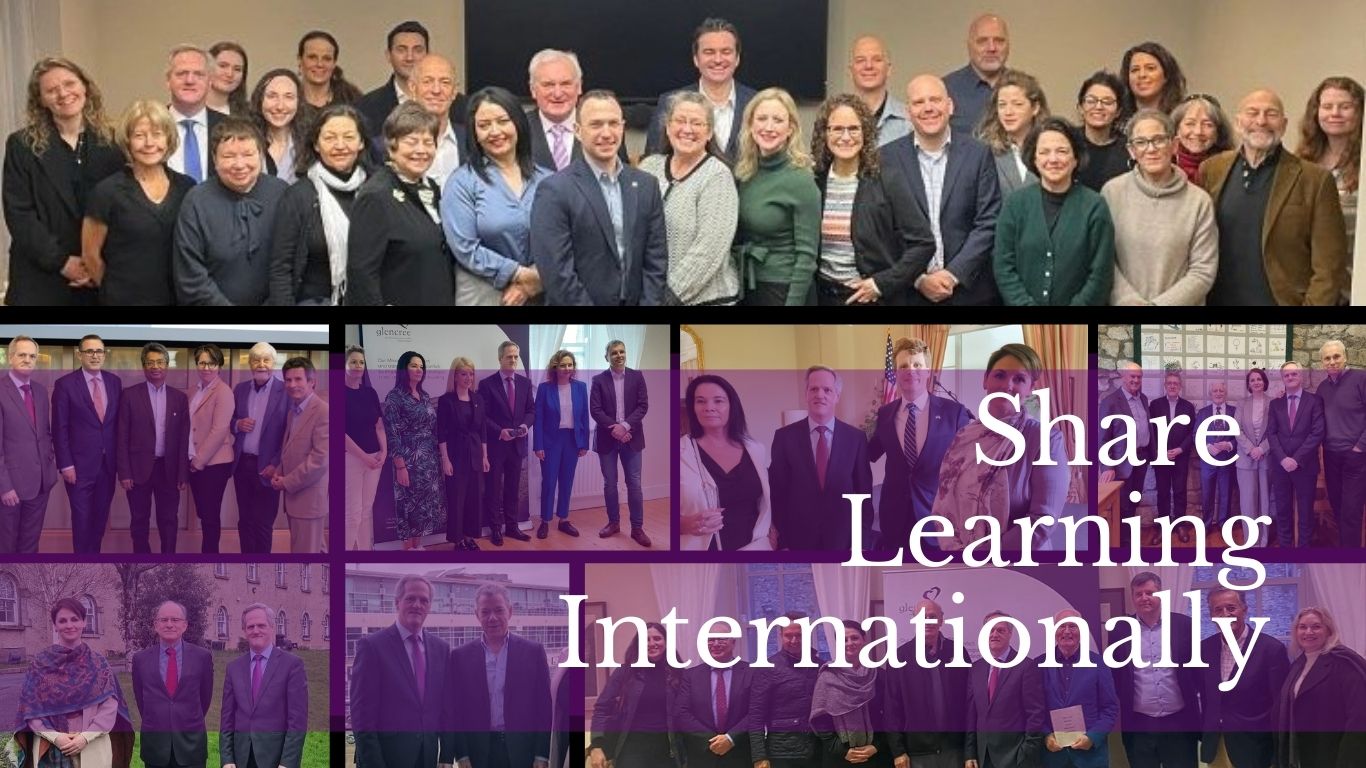
Evolving from its roots in the Irish Peace Process, Glencree’s Community and Political Dialogue Programme creates and sustains confidential spaces for people of different traditions, political persuasions and cultural identities to come together to engage on issues affecting their relationships with each other. Lessons from both the Peace Process and Glencree’s dialogue work are also shared to support peacebuilding efforts in conflict-affected contexts around the world.
Supporting the key pillars of the Good Friday Agreement, this programme focuses on engaging political, community and civil society representatives and other key contributors to the political debate on the islands of Ireland and Britain, at EU-level and within the international peacebuilding community in the core areas of:
The Glencree process of community and political dialogue began in the early 1990s when political parties from Ireland, Northern Ireland and Britain first gathered at our peace centre in Wicklow to discuss the emerging ceasefire.
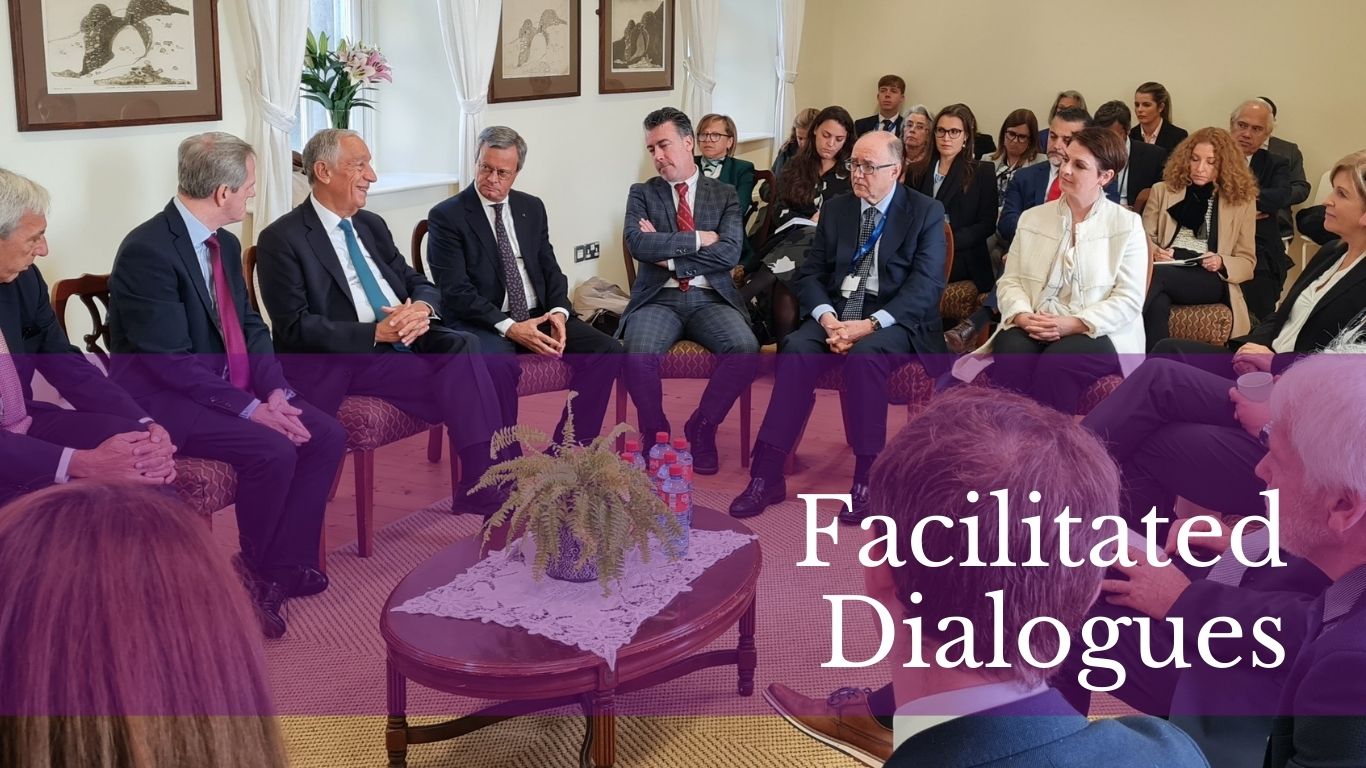
These dialogue workshops continued for over 12 years, through the negotiations and implementation of the Good Friday Agreement. They created confidential, safe spaces where parties and individuals returned to meet monthly to discuss the evolving issues and political situation. Through this process, key relationships emerged between the parties, individuals and community leaders involved.
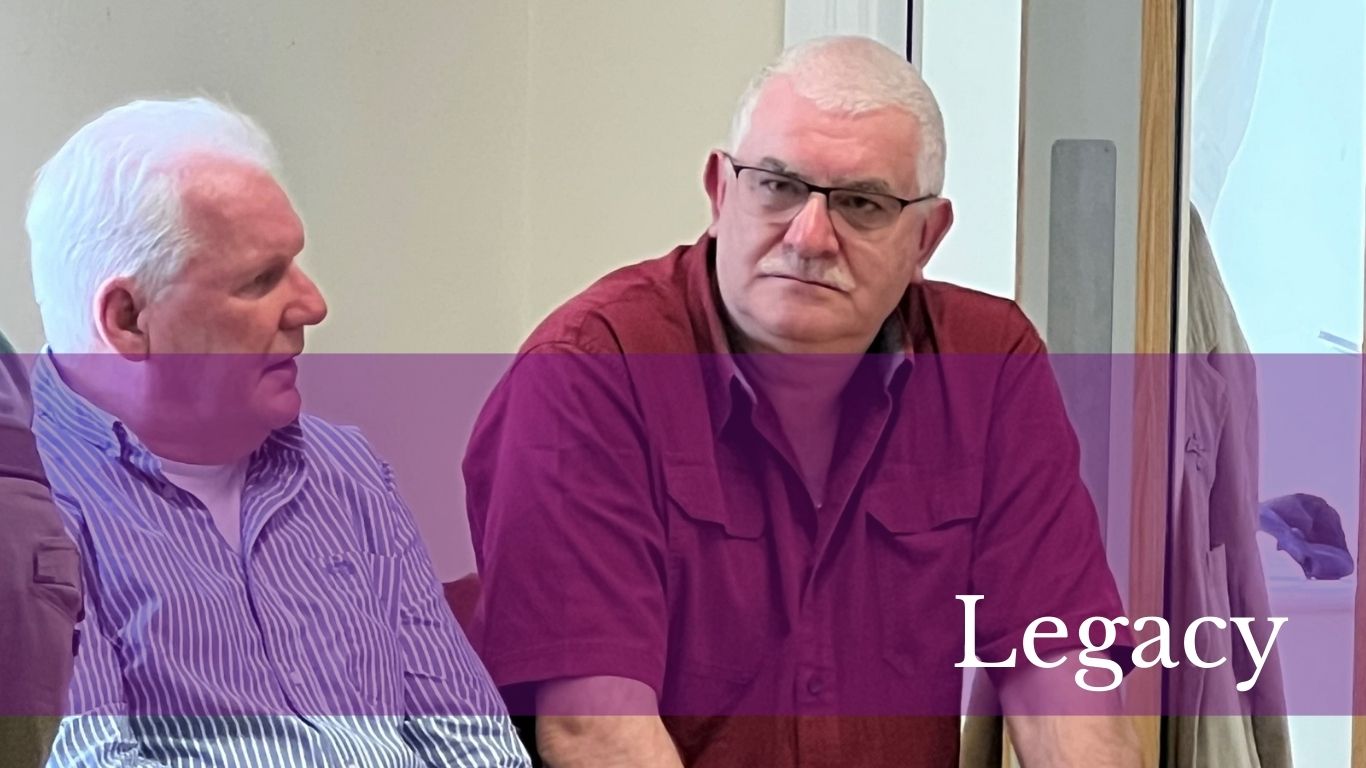
Following the formation of the Northern Ireland Executive in 2007, the need for such intensive private engagement decreased, reducing the frequency of dialogues at Glencree. By 2012, however, the difficult topic of Legacy - the unresolved issues from past conflict - emerged as a significant obstacle to deeper reconciliation. It became clear that healing could not progress without sustained efforts to allow those affected by conflict to share experiences, to hear and be heard, and have their pain acknowledged by those who may have been responsible.
Addressing the legacy of past conflict continues as a key focus of Glencree’s Community and Political Dialogue work today. This includes the process of exploring how community narratives - shaped by history, geography, memory and experience - influence how individuals and communities see and relate to one another. Creating spaces to examine and challenge these narratives helps break down misconceptions which is essential to building trust and fostering mutual understanding.
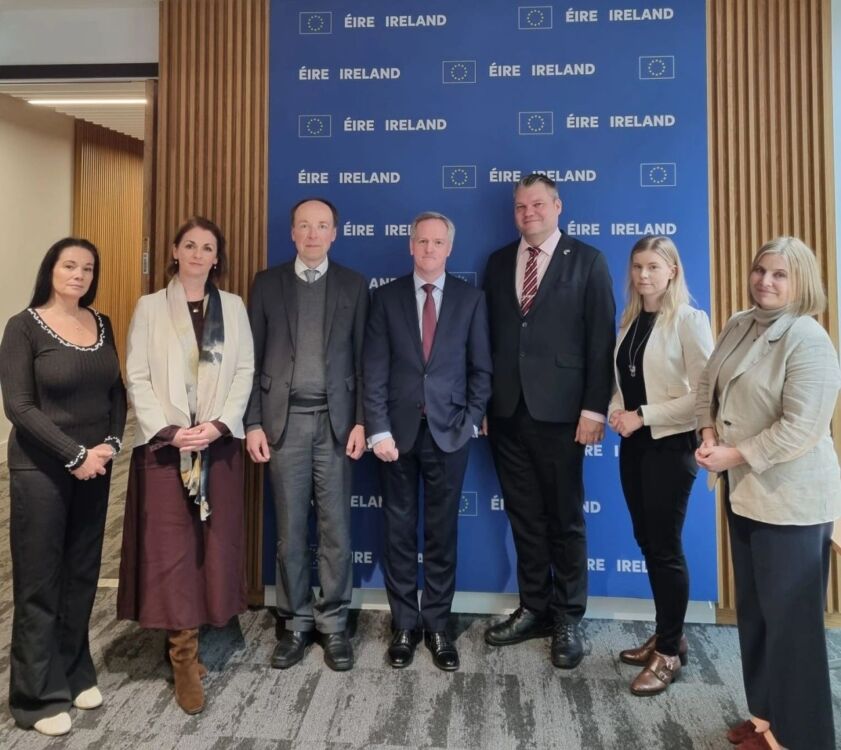
In recent years, our dialogue programme has evolved to meet new and emerging challenges. Brexit underscored how political shifts can threaten the progress made since the Good Friday Agreement. It also highlighted the need for continued dialogue to prevent misunderstanding and estrangement in times of political uncertainty. In response, Glencree has renewed our focus on rebuilding and sustaining North-South and East-West relationships while also expanding our work to include: economic dialogues, EU briefings and discussion, community-based engagement, Emerging Leaders Dialogues, and to sharing what we have learned with other conflict and post-conflict societies. Relationship-building is woven throughout this work - not only as a method, but as a vital outcome of sustained dialogue.
At the heart of our approach is Glencree’s Dynamic Dialogue process, which allows participants to set the agenda and focus on the issues that matter most to them. Glencree facilitates the process, guided by the core principles of mutual respect, active listening and confidentiality. We place strong emphasis on the use of the Chatham House Rule to create a safe space for open, often sensitive conversations. Some of our dialogue work is of such a sensitive nature that it is kept strictly confidential.
Glencree’s Community and Political Dialogue programme is focused on three core areas of work:
Click below to learn more about this work.